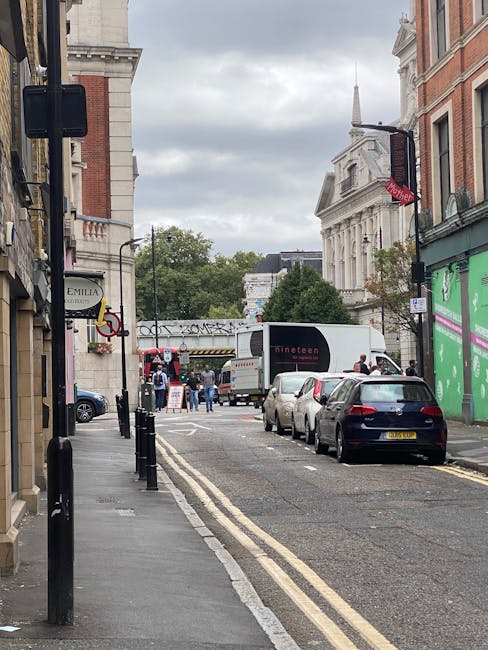
Office removals on Upper Street Islington for small business
Moving a small office can feel straightforward right up until you are standing in front of packed monitors, tangled chargers, and a deadline that will not wait. If you are planning office removals on Upper Street Islington for small business, you are probably trying to balance three things at once: keeping the business running, protecting your equipment, and avoiding a move that turns into a long, noisy mess on a busy London street. That is the real challenge.
Upper Street is lively, busy, and not always forgiving when a van is trying to park outside at the wrong moment. Small businesses here need a move plan that is practical, discreet, and quick enough to limit downtime. This guide walks through how the process works, what to expect, what can go wrong, and how to make the move easier from the first box to the last cable tie.
If you want a broader view of the services that support business and home moves across the borough, it may also help to look at the full removals services overview and the dedicated office removals in Islington page. For businesses that need help with chairs, desks, or reception furniture, the team also offers furniture removals in Islington.
Table of Contents
- Why office removals on Upper Street Islington for small business matters
- How office removals on Upper Street Islington for small business works
- Key benefits and practical advantages
- Who this is for and when it makes sense
- Step-by-step guidance
- Expert tips for better results
- Common mistakes to avoid
- Tools, resources and recommendations
- Law, compliance, standards, or best practice
- Options, methods, or comparison table
- Case study or real-world example
- Practical checklist
- Conclusion
- Frequently asked questions
Why Office removals on Upper Street Islington for small business Matters
A small business move is not just about getting items from A to B. It is about protecting revenue, staff time, customer service, and the little bits of operational continuity that keep a company ticking over. On Upper Street, where access can be tight and the rhythm of the area changes through the day, poor timing can mean missed deliveries, awkward loading, or a move that drags on longer than expected.
For a small office, even a half-day delay can ripple through the week. Phones are offline, client work sits unfinished, and somebody ends up using a laptop balanced on a box. Not ideal. Truth be told, the difference between a smooth move and a stressful one is usually planning, not brute force.
This is why local knowledge matters. A removals team familiar with Islington and surrounding N1 streets can better anticipate practical issues such as narrow pavements, loading restrictions, lift access, shared entrances, and the need to keep disruption low. For some businesses, especially those working to a fixed reopening time, a service like same-day removals in Islington can also be useful when timing is tight.
Expert summary: The best office move is rarely the biggest one. It is the one that keeps staff informed, equipment protected, and downtime as short as possible.
How Office removals on Upper Street Islington for small business Works
Most small business office removals follow a similar pattern, though the details change depending on how much furniture, technology, and paperwork you need to move. A good provider will usually begin with a quick discussion about the size of the office, access at both ends, the items being moved, and the preferred date and time. From there, the move is shaped around your operational needs rather than a one-size-fits-all schedule.
For many small offices, the move is broken into clear stages:
- Pre-move assessment - identifying item volume, fragile equipment, and access points.
- Packing and labelling - boxing files, securing accessories, and tagging items by desk or department.
- Careful loading - using the right van size and handling equipment for desks, monitors, and storage units.
- Transport - moving items at an agreed time to reduce traffic or client disruption.
- Placement and setup - unloading in a sensible order so the new office becomes usable faster.
If you need packing support, it helps to use proper materials rather than whatever cardboard happens to be in the kitchen. The packing and boxes service in Islington is useful for businesses that want sturdier cartons, protective wrap, and a more organised loading process.
Some companies prefer to prepare everything themselves, then hand over the move. That can work well, especially if you use a service that lets you package your items and wait for collection. Others want a more hands-on moving partner who can fit around client appointments, building access, or a slightly awkward reception desk that nobody wants to carry alone.
Key Benefits and Practical Advantages
There are several reasons small businesses choose a dedicated office removals service instead of trying to do everything in-house with a borrowed van and a few hopeful colleagues. To be fair, people do try that. It rarely ends gracefully.
- Less downtime: a properly timed move keeps the business operational sooner.
- Lower risk of damage: trained handling protects IT equipment, furniture, and documents.
- Better planning: access, timing, and vehicle choice are arranged in advance.
- Reduced staff disruption: your team can focus on work rather than heavy lifting.
- More flexible scheduling: evening, off-peak, or staged moves can often be arranged.
- Local knowledge: Upper Street traffic patterns, parking limitations, and building access are easier to manage with a local team.
There is also a quieter benefit that gets overlooked: peace of mind. When a move is being handled by people who know what they are doing, the day simply feels calmer. You can hear the difference, honestly. Less shouting, fewer "where did that go?" moments, and a much better chance of arriving at the new office with all your essentials intact.
If you are comparing service styles, the broader man and van Islington option can be a good fit for smaller offices, while the removal services in Islington page is useful if you want to understand the wider range of help available.
Who This Is For and When It Makes Sense
This type of move is a strong fit for small businesses that need to relocate without the scale or complexity of a full corporate relocation. Think of a design studio, a small accountancy practice, a therapy room with office furniture, a local agency, a startup, or a consultancy moving from one Upper Street property to another nearby.
It also makes sense when:
- you are moving a compact office with desks, chairs, and boxed paperwork;
- you need the move to happen outside business hours;
- you are downsizing and only taking essential items;
- you want support for fragile items like screens, printers, or archive boxes;
- you need a quick turnaround between vacating one space and opening another.
Small businesses with mixed-use premises often benefit too. A shopfront with a back-office area, for example, can be moved in stages so customer-facing operations are not interrupted all at once. And if your team is already stretched, moving day is not the moment to discover that the only packing tape in the building belongs to someone in finance and has mysteriously vanished.
Businesses in nearby neighbourhoods sometimes combine office relocation with storage or temporary holding arrangements. If that sounds familiar, the storage in Islington page may be worth a look.
Step-by-Step Guidance
Here is a practical way to approach an office move on Upper Street without letting it become a last-minute scramble.
1. Decide what actually needs to move
Start by separating essential equipment from items that can be archived, sold, recycled, or left behind. Small offices often accumulate extra chairs, old monitors, duplicate filing units, and promotional materials nobody has used in years. Less stuff usually means a smoother move.
2. Measure access at both locations
Check stairwells, lift sizes, entrance widths, and where a van can realistically stop. On busy streets, those few minutes of checking in advance can save a lot of back-and-forth on the day.
3. Label everything clearly
Labelling is boring, yes. It also saves your afternoon. Mark boxes by room, department, or desk number. For IT equipment, keep cables with the right device and use simple labels like "Monitor A" or "Printer reception".
4. Protect technology and documents
Use padded materials for screens and secure boxes for confidential files. If you handle sensitive paperwork, keep it under control rather than mixing it into general office clutter. A small error here can create unnecessary stress later.
5. Book the move at a sensible time
Upper Street can be busy at different times of the day, so timing matters. Many small businesses choose early morning, late afternoon, or a quieter window that reduces foot traffic and interruptions. If you need precise scheduling, the team's best-time delivery option can help align the move with your business hours.
6. Move in a logical order
Load the items you need least first, and keep the most critical equipment accessible. That way the new office can become functional sooner, even if a few non-essentials are still being arranged. It sounds obvious. In practice, people forget all the time.
7. Do a final sweep
Before leaving, check cupboards, desk drawers, storage rooms, and behind doors. Small items often hide in plain sight. Keys, chargers, adaptor plugs, the spare laminator film - all of it tends to vanish at the very worst moment.
Expert Tips for Better Results
The best office moves are rarely improvised. They are simple, but not random. Here are a few practical tips that make a noticeable difference.
- Book early if your move has a fixed deadline. Upper Street businesses often work around leases, fit-out dates, and opening schedules. Leave less to chance.
- Use colour coding for departments or rooms. A small sticker system is often quicker than detailed written notes.
- Keep one "day one" box per team. Include chargers, basic stationery, spare keys, and anything needed to get working immediately.
- Photograph cable setups before unplugging. A five-second photo can save twenty minutes of guessing later. Maybe more, if the desk is complicated.
- Move confidential items separately. Not everything needs to be in the same pile.
- Ask about vehicle suitability. A smaller removal van can sometimes be more useful on tight streets than a larger vehicle that struggles with access.
It also helps to think about continuity, not just transport. A small business move should ideally let you answer emails, take calls, and reopen quickly. If you need practical help from the first box to the last office chair, the man with van Islington service can be a sensible fit for lighter office loads and short-distance moves.
Common Mistakes to Avoid
Most move problems are predictable. That is the frustrating part. They usually happen because somebody assumed a detail would sort itself out.
- Underestimating volume: small offices often have more items than they look like they do.
- Poor labelling: unlabeled boxes turn setup into a guessing game.
- Ignoring access issues: stairs, loading space, and lift restrictions can slow everything down.
- Leaving packing too late: the final day should not be spent hunting bubble wrap.
- Forgetting backup plans: if the move runs late, know which tasks can wait until the next day.
- Mixing disposal with moving: old items, recycling, and actual removals are easier to manage separately.
One of the most common headaches is not damage but disorganisation. A desk arrives safely, but the cables do not. Or a chair turns up, but the one essential box of stationery ended up behind the reception plant. Funny for about ten seconds, then not funny at all.
If you are getting rid of old office furniture as part of the relocation, the recycling and sustainability guidance can help you think about what to reuse, donate, or dispose of responsibly.
Tools, Resources and Recommendations
You do not need a warehouse full of equipment to manage a small office move well. A few sensible tools make a big difference.
| Item | Why it helps | Best for |
|---|---|---|
| Heavy-duty boxes | Protects files, stationery, and smaller office items | Paperwork, accessories, tools |
| Bubble wrap or paper wrap | Cushions monitors, glass, and fragile accessories | IT and breakables |
| Labels and markers | Keeps every box traceable | All office moves |
| Trolley or sack truck | Makes loading faster and safer | Furniture, archive boxes |
| Cable ties and pouches | Keeps chargers and leads together | Computers and peripherals |
For businesses that want a clearer picture of service choices, the removal companies in Islington page is useful for understanding how office moving support compares across local providers. If you are weighing up van size and move style, the removal van Islington page is also a handy reference.
And if your move is linked to a broader company change, such as moving from a flat-based home office into a proper workspace, the man and a van Islington option can work neatly for small-scale relocations that do not need a full crew.
Law, Compliance, Standards, or Best Practice
Office removals are not usually about complicated regulation, but there are still sensible standards to follow. Small businesses should think carefully about health and safety, access arrangements, and the handling of confidential material. That is especially true where staff, visitors, or building managers are involved.
At a practical level, best practice usually includes:
- safe manual handling for desks, boxes, and equipment;
- clear communication with building management or landlords;
- careful handling of sensitive data and paperwork;
- appropriate insurance for goods in transit where relevant;
- using trained movers rather than asking unprepared staff to carry heavy items.
Businesses should also keep their own records in mind. Confidential client files, financial paperwork, and data-bearing devices deserve extra care. A move is a good time to review what actually needs to be kept, what can be archived, and what should be securely destroyed. That part is not glamorous, but it matters.
For reassurance around standards and policies, it can help to review the company's insurance and safety information alongside the health and safety policy. If payment and booking process questions matter to you, the payment and security page is a sensible place to check too.
Options, Methods, or Comparison Table
There is no single right way to move a small office. The best method depends on how much you are moving, how fast you need it done, and how much support you want on the day.
| Method | Best for | Pros | Watch out for |
|---|---|---|---|
| Self-managed move | Very small loads, flexible teams | Can seem cheaper at first | Higher risk of delay, damage, and staff fatigue |
| Man and van | Small offices, short distances, tight schedules | Flexible, efficient, practical | Needs good packing and clear labelling |
| Full office removal service | More furniture, more equipment, more complexity | More support, more structure | May be more than a micro-office really needs |
| Staged move with storage | Moves with gaps between leaving and reopening | Flexible for fit-outs or delays | Requires extra planning and coordination |
For many Upper Street businesses, the sweet spot is a coordinated man-and-van style move with solid packing support. It is simple enough to stay efficient, but structured enough to protect your equipment and keep the day on track.
Case Study or Real-World Example
Imagine a small creative agency with six staff moving from a compact office near Upper Street to another nearby location in Islington. They have desks, task chairs, two printers, a set of boxed client folders, a few monitors, and a reception area with light furniture. Nothing huge. But enough to be annoying if handled badly.
They decide to sort the move in stages. The team packs non-essential archive boxes a few days before the move, labels everything by desk, and separates each staff member's tech into a single box. Monitors are wrapped carefully, cables are bundled, and one "first day" box is created for stationery, extension leads, and spare chargers.
The move itself is scheduled for a quieter part of the day so the loading is less exposed to foot traffic. The van is kept moving efficiently, and the new office is set up room by room. By late afternoon, people are back online, the printer is working, and the room smells faintly of cardboard and fresh coffee. A normal moving-day smell, really. Not glamorous, but reassuring.
What made the difference? Not fancy equipment. Just a clear plan, decent labels, and a move team that knew how to work around the area without turning the street into a scene.
If your own move is more open-ended, the nearby guide on man and van removals for Angel N1 is a helpful read for understanding how local moving and storage arrangements can work in practice.
Practical Checklist
Use this before moving day so nothing important gets missed.
- Confirm the move date, time, and access arrangements.
- Measure doors, stairs, and lift access at both sites.
- Back up important digital files before unplugging devices.
- Label every box clearly by room, desk, or department.
- Pack a first-day essentials box for each team or workspace.
- Separate confidential files from general office items.
- Protect screens, glass, and fragile accessories properly.
- Decide what will be moved, stored, recycled, or disposed of.
- Tell staff who is responsible for keys, access cards, and final checks.
- Keep one contact available on move day for quick decisions.
Quick reminder: if the office is small, the move can still get complicated fast if the labels are vague and the cables are loose. Tiny problems, big irritation.
Conclusion
Office removals on Upper Street Islington for small business work best when the move is treated as an operational project, not just a transport job. The aim is to get your team set up quickly, protect the items that matter, and avoid losing a full day to disorganisation or preventable delays. In a busy part of London, that sort of planning is not overkill. It is just sensible.
Start with a clear inventory, choose the right level of help, pack in a structured way, and think through access before the van arrives. Do that, and the move becomes much easier to live through. Not perfect, perhaps, but manageable. And sometimes manageable is exactly the win you need.
If you are ready to talk through timing, access, and the right moving support for your office, the next step is simple.
Get a free quote today and see how much you can save.
Frequently Asked Questions
How far in advance should I book an office removal on Upper Street?
As early as you reasonably can, especially if you have a fixed lease end date or need the move outside normal working hours. Small office moves can sometimes be arranged quickly, but earlier booking usually gives you better timing and less stress.
What size move is suitable for a man and van service?
Small offices, light furniture loads, and compact equipment moves are often a good fit. If you are relocating a handful of desks, chairs, boxes, and a few pieces of tech, a man and van option can be efficient and cost-effective.
Can office removals be done outside business hours?
Yes, many small businesses prefer early morning, evening, or weekend moves to reduce disruption. If access windows are limited, it is worth discussing timing in advance so the move can be planned around your operations.
How should I pack computer equipment for a move?
Use padded protection for screens, keep cables bundled with the correct device, and label everything clearly. Back up files before the move and keep essential devices separate if they will be needed immediately at the new office.
What is the biggest risk during a small office move?
The biggest risk is usually downtime caused by poor organisation rather than physical damage. Missing cables, unclear labels, and access issues can slow the whole process down more than you would expect.
Do I need storage if the new office is not ready yet?
If there is a gap between vacating one space and taking over another, temporary storage can help. It is especially useful during fit-outs, delayed handovers, or downsizing projects where not everything needs to move at once.
How do I keep confidential files secure during the move?
Pack them separately, keep them clearly identified, and limit who handles them. If you have sensitive documents, it is sensible to keep them under direct oversight rather than mixing them with general office boxes.
Is it worth using packing support for a small office?
Often, yes. Even a small office can have more fragile or awkward items than expected. Packing support can reduce breakage, save staff time, and make loading faster on the day.
What should I tell staff before the move?
Share the move date, packing deadlines, who is responsible for which items, and when they should expect to be back up and running. A short, clear briefing is usually better than a long vague email that nobody reads properly.
How can I compare office removal providers locally?
Look at whether they offer the right level of support, whether they understand local access challenges, how clearly they explain the process, and whether their service fits the scale of your office. The cheapest quote is not always the best value if it leaves you doing half the work yourself.
What if I only have a few desks and boxes to move?
That is exactly the kind of move where a smaller, flexible service can work well. You do not need an oversized operation for a modest office relocation. In many cases, a compact van and careful handling is the smartest choice.
Where can I get a quote or ask about timing?
You can start with the contact page to discuss your move, timing, and any access details. If your business needs a more tailored approach, that first conversation usually saves time later.